Intelligent Investment
Beyond the Headlines
By: Henry Chin, Ph.D., Global Head of Research; Darin Mellott, Head of U.S. Investor Research; and Julie Whelan, Head of U.S. Occupier Research
August 25, 2026 5 Minute Read

The commercial real estate recovery has been tested but remains on course.
Our Take Newsletter
Our Take is CBRE’s monthly newsletter, delivering unique insights into today’s most pressing topics.
Learn More
Despite a sudden military conflict between the U.S. and Iran that has roiled energy markets worldwide and raised inflationary pressures, U.S. commercial real estate performed well in the first half of 2026. Occupier demand has remained strong, investment activity has increased and fundamentals have improved across most commercial property sectors.
While some expectations have shifted, the recovery is expected to continue through year-end and into 2027.
As CBRE's U.S. Real Estate Market Outlook Midyear Review 2026 makes clear, the most important changes are happening beneath the surface, creating new opportunities for occupiers and investors alike.
Limited new supply has become a tailwind.
Across every property type, less new supply is being delivered than in previous years. Office and retail construction are at historic lows, and industrial supply growth is leveling off after several years of rapid expansion.
For occupiers, limited availability is already altering decision-making. Many are planning further in advance, pursuing early renewals and securing new space sooner. Office occupiers, in particular, are finding that their options for securing both the building quality and location they desire may be becoming more limited in some markets.
That scarcity is creating new opportunities for occupiers and investors. While office-to-residential conversions have been highly touted, office upgrading and repositioning may be a better solution.
Banks are once again lending on select commercial real estate projects at increasingly competitive rates, giving owners an opportunity to transform obsolete buildings into modern high-quality workplaces.
And quality is winning in a big way.
At midyear, the flight to quality has only intensified, though the definition of quality has evolved.
For occupiers, space quality is being measured by outcomes rather than appearance or age. For offices, that means attracting and retaining talent. For retail, it means securing what little space is available in the most desirable locations. And for industrial facilities, it means prioritizing functionality through features such as dock configurations, yard design and truck-flow efficiency.
Investors are adapting accordingly. Prime office assets are an attractive investment despite a more cautious environment. And limited availability of prime space is creating opportunities for nearby, next-tier properties. In industrial, investors are finding opportunities in well-located, second-generation facilities with existing power that can be upgraded or converted to data centers.
But perhaps the biggest opportunity lies in how businesses adapt to AI.
Questions remain about the ultimate impact of artificial intelligence on the economy and labor markets, although history suggests technological change tends to reshape work and create more jobs than it eliminates over time.
In the long run, we expect that AI adoption will enhance productivity, create new occupations and increase demand for highly skilled workers.
For occupiers, that means the office will continue to play an important role. If anything, workplaces may become more valuable as collaboration, knowledge-sharing and innovation become increasingly important.
As job composition changes, tech-driven markets with deep talent pools and highly adaptable workforces—such as New York, San Francisco, Seattle, Boston and Washington, D.C.—will be in high demand.
And where talent flows, capital often follows.
Capital is also following the fundamentals.
AI may shape where future demand emerges, but investment activity will extend beyond technology.
A K-shaped economic recovery is creating greater differentiation across sectors and markets, rewarding investors who are selective. Even amid multifamily oversupply in parts of the Sun Belt, reset pricing and firming fundamentals are creating attractive entry points in high-growth markets, while Midwest markets like Chicago and Detroit are compelling alternatives for investors looking beyond traditional growth markets.
At the same time, investment activity across the main property types continues to rise. Healthy debt markets, ample liquidity and available capital will support deal activity despite any economic uncertainty and relatively high interest rates.
This cycle will not be driven by cap-rate compression. With interest rates likely to remain elevated, returns will be driven by income growth and asset selection.
Beyond the headlines, the recovery holds.
Although geopolitical risks have risen, CBRE remains optimistic about the 2026 outlook, even as uncertainty has increased. Supply scarcity is creating opportunity, the flight to quality is evolving and AI is changing how occupiers and investors think about demand, talent and capital allocation.
In the near term, occupiers should secure quality space before options become even more limited. And investors should focus on the opportunities being created by improving fundamentals, evolving demand patterns and widening performance gaps across sectors, markets and asset classes.
Impacts on the economy may not be unfolding exactly as expected, but the commercial real estate recovery remains firmly on course.
Related Insights
-

Amid interest rate volatility and geopolitical uncertainty, here’s where 200+ commercial real estate professionals see asset pricing headed.
-

Prime office, industrial and data centers lead CRE's 2026 recovery. See where momentum is building for the rest of the year.
-
Podcast | Intelligent Investment
Halfway There: What’s Shaping Commercial Real Estate at Midyear 2026
August 4, 2026
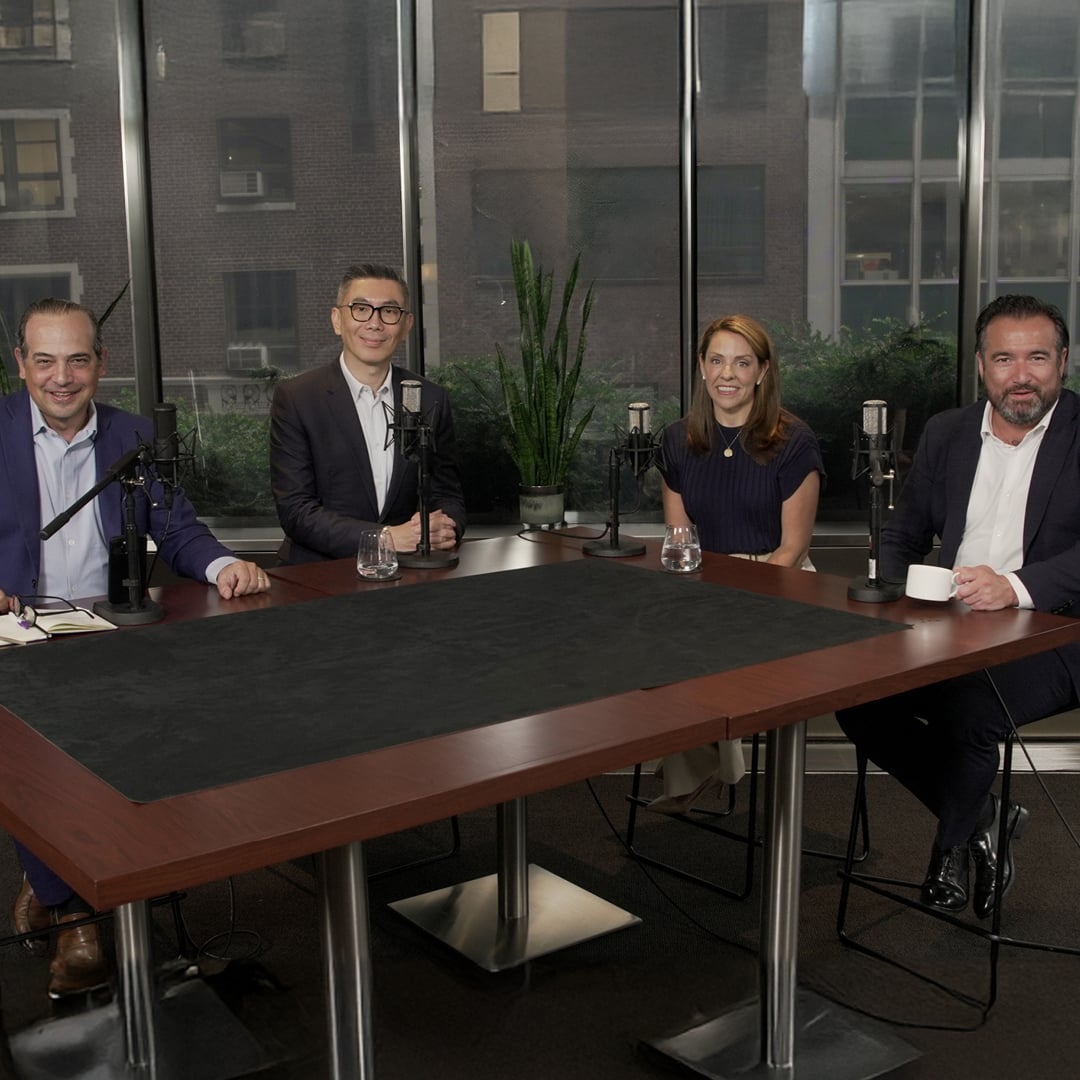
With the H1 2026 data in hand, we can see how commercial real estate is evolving in a market where AI, geopolitical events, capital discipline and a resilient economy are rewriting earlier forecasts. CBRE’s Research leaders discuss the company’s 2026 Midyear Outlook—published today—and examine what’s changed since the start of the year and the implications for occupiers, investors and the broader market.
-

The attendance debate is over. The workplace investment debate is beginning. See what's driving the shift.


